Physician-Guided Protocol
Prescribed by clinical indication-after screening and physician review. No trend logic. No shortcuts.




Physician-Guided Protocol
Prescribed by clinical indication-after screening and physician review. No trend logic. No shortcuts.
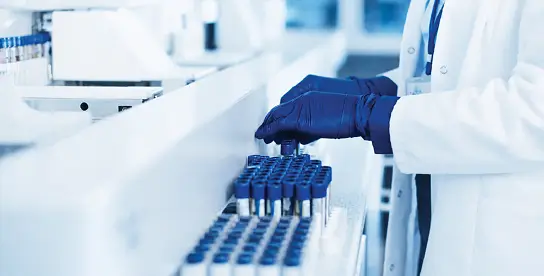
Controlled Processing
Protocol-driven, autologous source without genetic modification.

Monitored Outcomes
Monitored plan with structured follow-up to assess response over time
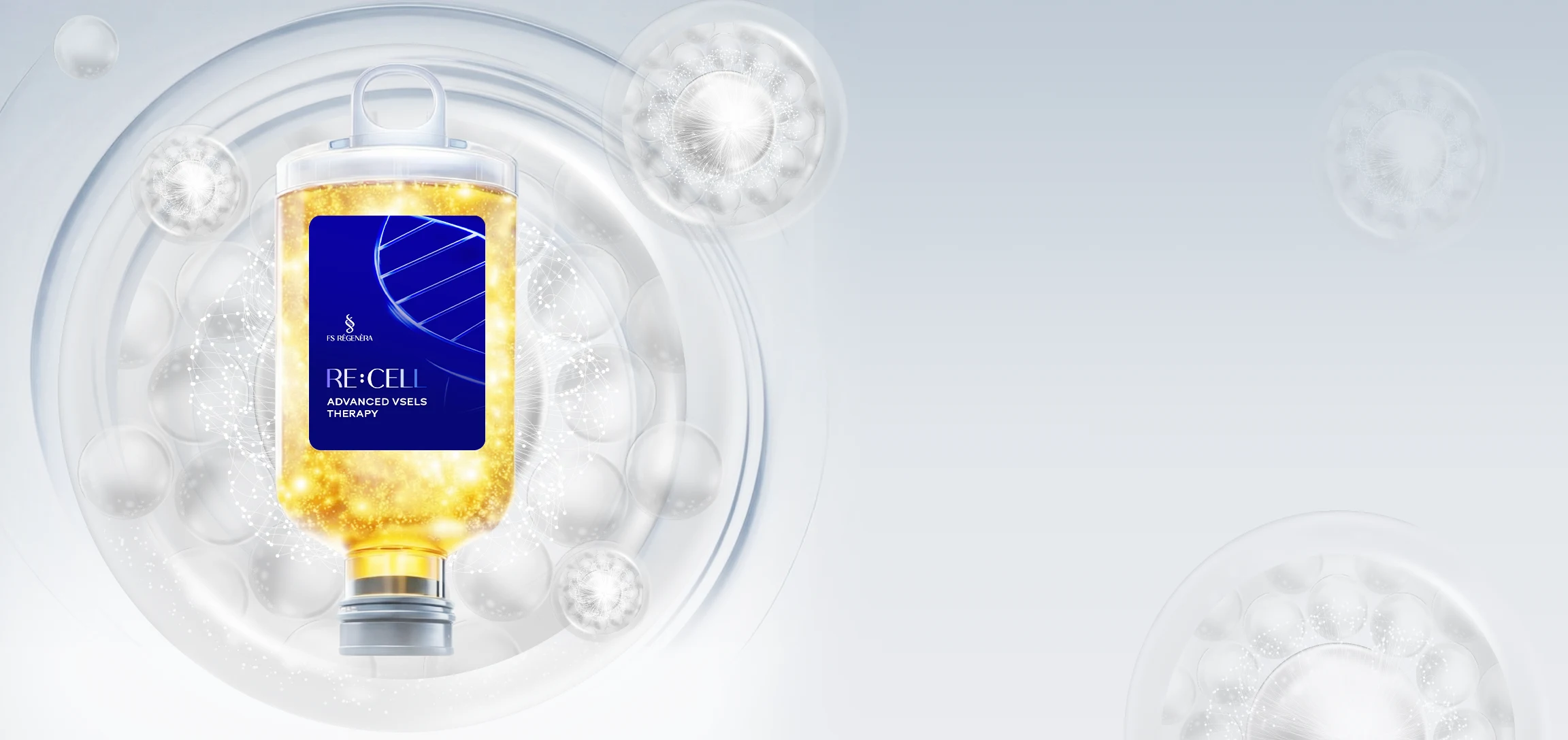
In partnership with world-renowned scientific experts, Prof Dr Fred Fändrich, we bring German-engineered regenerative science to Indonesia—delivered through precise, internationally aligned clinical protocols.
Indicated for individuals 35+ experiencing early decline in cellular performance, skin quality, recovery capacity, and menopause.

Age 35 & Older

Declining Skin Vitality

Symptoms of Menopause

Preventive Cellular Protocol - Highest Safety Profile

Initiate Cellular Regeneration - Proactive Rejuvenation



Advanced Cellular Regeneration Therapy

Comprehensive laboratory evaluation, including complete blood panel, CEA, full lipid profile, urea, creatinine, and HbA1c. Results must be submitted to the clinic no later than 1-3 days prior to treatment.
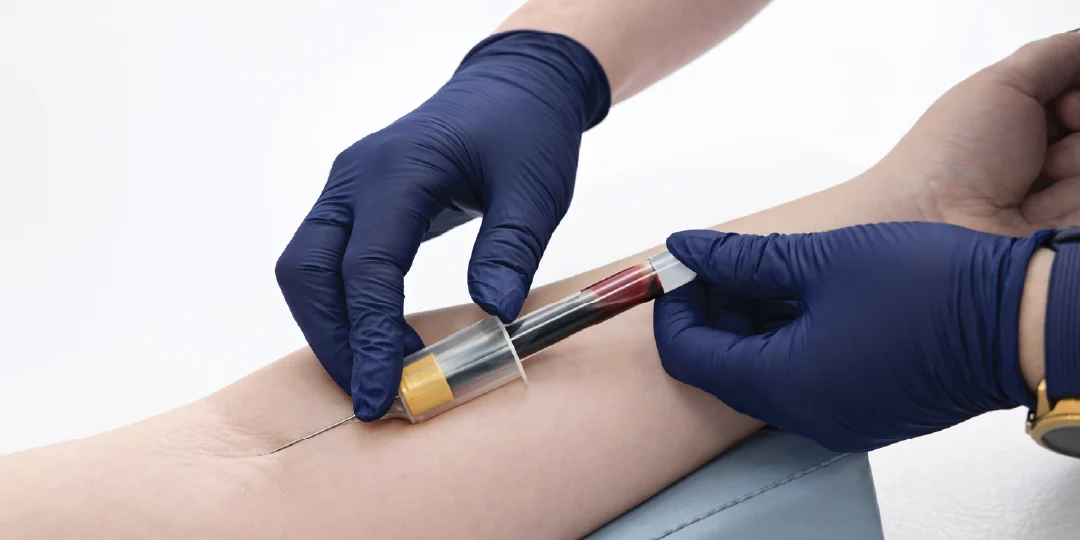
50-100 cc of blood is collected by a physician, followed by a supportive vitamin infusion protocol to optimize cellular readiness.
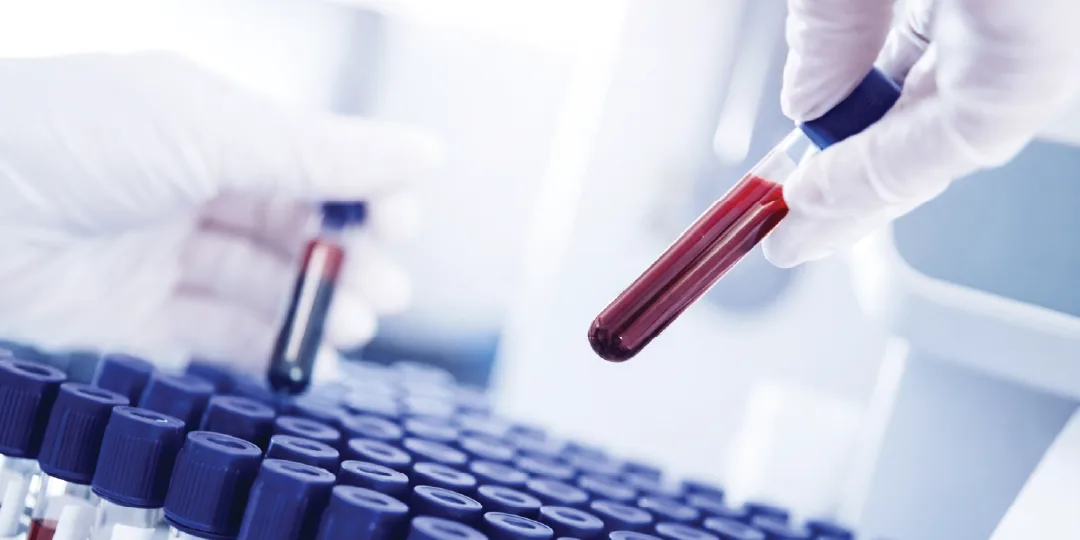
The collected blood is processed in a certified sterile laboratory environment. Re:Cell is isolated without genetic modification, preserving biological integrity.
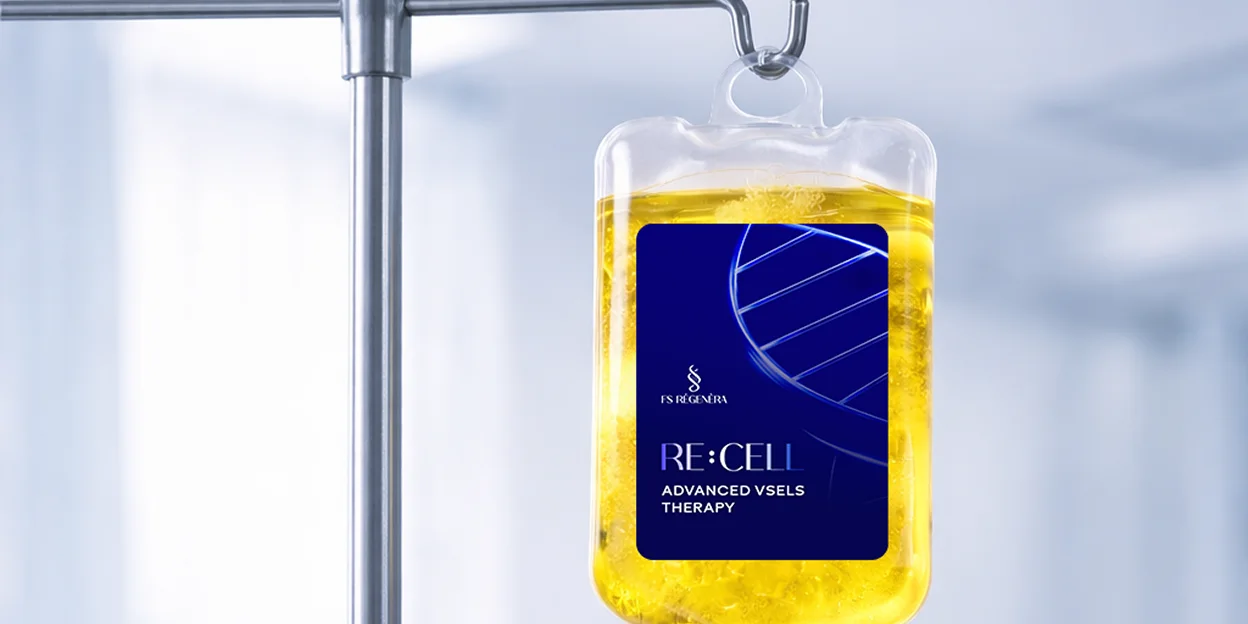
Purified Re:Cell plasma is reintroduced into the body through a controlled intravenous infusion protocol.
Initial responses may begin within 4–6 weeks. Outcomes vary depending on individual biological condition.
Patients may experience mild adaptive responses such as fatigue, drowsiness, or light muscle discomfort as part of the regenerative process.
To support optimal cellular response:

Avoid alcohol consumption

Avoid intense physical activity

Maintain balanced nutritional intake

Ensure adequate rest and recovery
 Make Appointment